
Exploring the Benefits of Vertical Gardening Techniques
Vertical gardening is increasingly gaining popularity among gardening enthusiasts and urban dwellers alike. This innovative approach not only maximizes space but also enhances the aesthetic appeal of any environment. In this article, we will explore the benefits of vertical gardening techniques and how they can transform your gardening experience.
Understanding the Basics of Vertical Gardening
Vertical gardening involves growing plants upwards rather than outwards, making it a suitable option for those with limited gardening space. According to experts, this technique has gained traction particularly in urban settings where space is at a premium. The principle behind vertical gardening is simple: by utilizing vertical structures such as walls, trellises, or dedicated frames, you can create additional planting space, which can lead to increased yields.
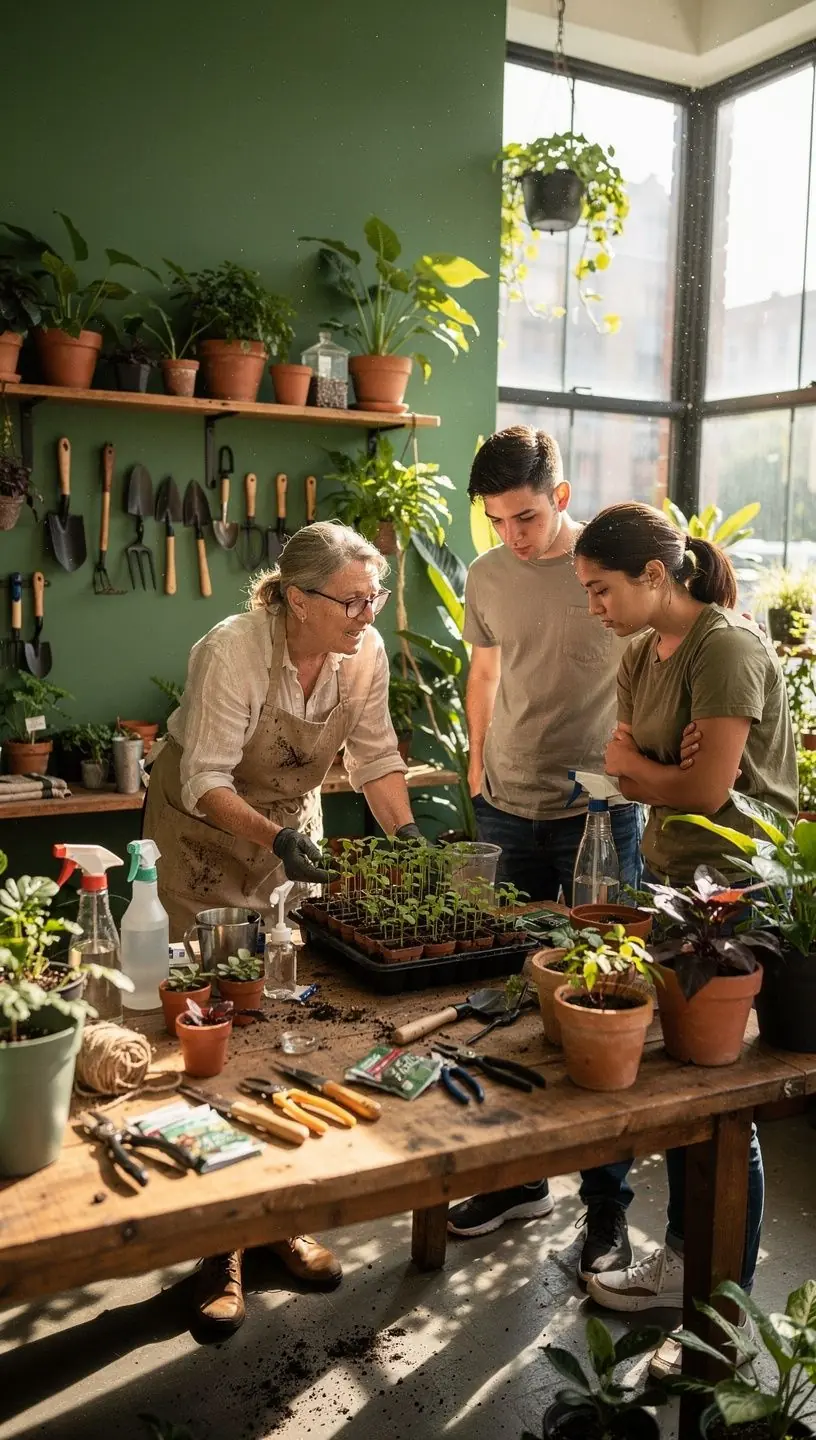
"Research indicates that vertical gardening can yield up to 30% more produce in the same footprint compared to traditional planting methods."
Benefits of Vertical Gardening Techniques
- Space Optimization: Vertical gardening is especially effective in small areas, allowing urban gardeners to make the most of confined spaces. This method can be ideal for balconies, patios, or small backyards.
- Improved Air Circulation: Growing plants vertically often leads to better airflow around the plants, which can reduce the risk of diseases and pests. Many users report healthier plants due to this improved environment.
- Enhanced Aesthetics: Vertical gardens can serve as stunning visual focal points. Using various plants and structures, you can create living walls that enhance the beauty of your outdoor or indoor space.
Practical Insights for Implementing Vertical Gardening
While vertical gardening offers numerous benefits, it is important to consider the methodology and effort involved:
- Choose the Right Structure: Selecting the appropriate framework is crucial. Common options include wall planters, shelving, or trellises. In most cases, a sturdy structure can support more weight and provide stability for growing plants.
- Plan Your Plant Selection: Certain plants are more suited for vertical gardening. Herbs, strawberries, and small vegetables often thrive in these setups. According to industry standards, selecting the right plants can enhance your success in vertical gardening.
- Watering and Maintenance: Vertical gardens may require frequent watering, as they can dry out more quickly than traditional gardens. Setting up a drip irrigation system is a reliable approach to ensure consistent moisture.
Acknowledging Limitations
While vertical gardening can be highly effective, it does come with its challenges. Typically, it requires a commitment to regular maintenance and care. Additionally, those new to gardening may face a learning curve in understanding plant needs and care requirements. Furthermore, extreme weather conditions can impact vertical gardens, so it’s recommended to check the suitability of plants for your specific climate.
Conclusion
Vertical gardening techniques can significantly enhance your gardening experience, especially in space-constrained environments. By understanding the principles of vertical gardening and implementing practical steps, you can enjoy not only the beauty of a lush green space but also the satisfaction of growing your own plants. Remember that while vertical gardening can offer many benefits, it requires dedication and careful planning to achieve the best results. Happy gardening!
Learn More