Practical Tips for Seasonal Planting Techniques
Gardening is a rewarding hobby, but knowing when and how to plant can significantly influence your garden's success. This article provides practical tips for seasonal planting, designed to help you maximize your gardening potential while ensuring that your efforts yield fruitful results.
Understanding Seasonal Planting
Seasonal planting refers to the practice of sowing and planting your garden's crops according to the changing seasons. Experts recommend understanding your local climate and the specific needs of different plants. Typically, there are three main planting seasons: spring, summer, and autumn. Each season has unique considerations that can affect both growth and yield.
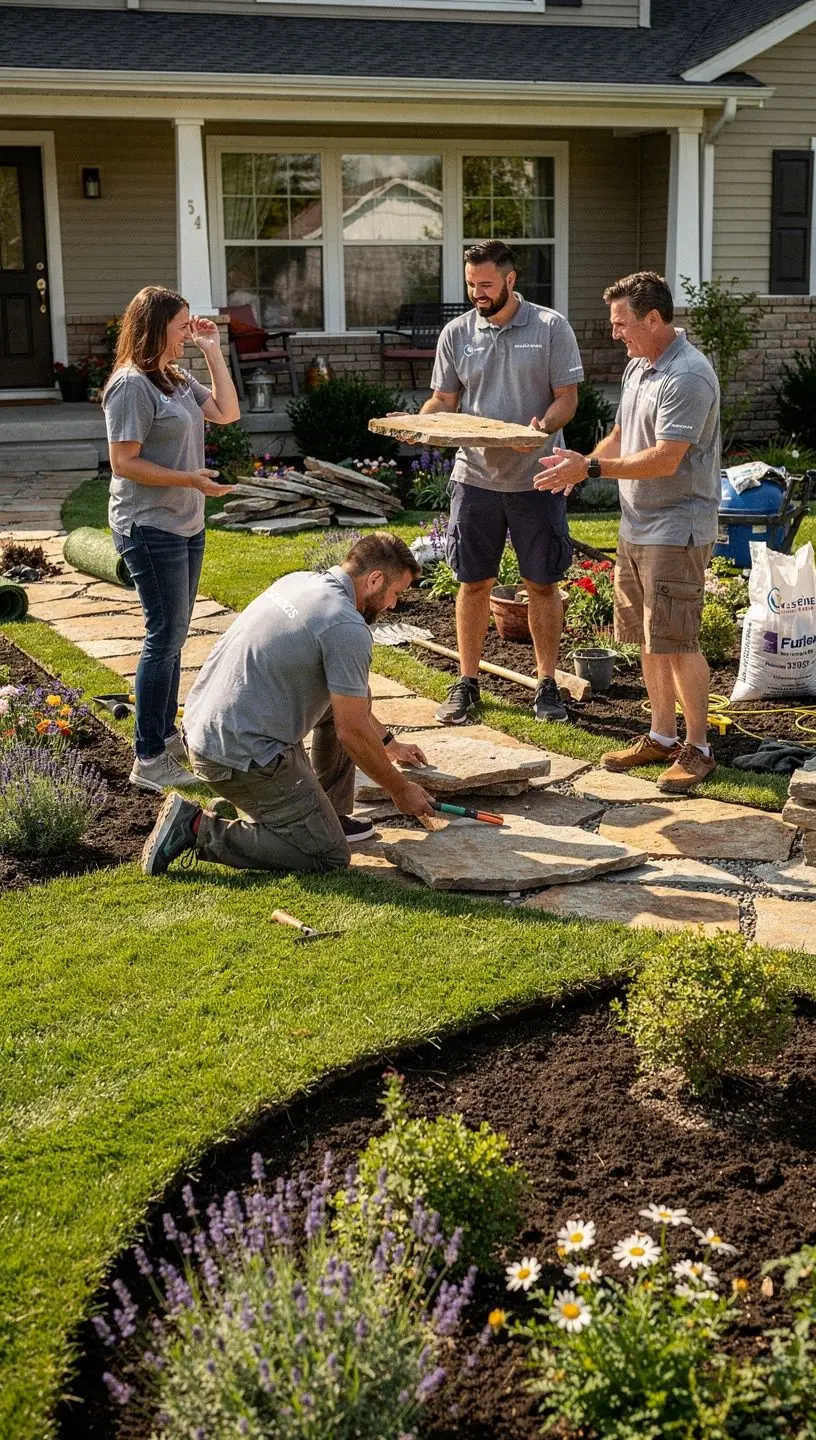
"Timing your planting correctly can increase your yield by 20-30%, according to research from horticultural studies."
Spring Planting: Getting Started
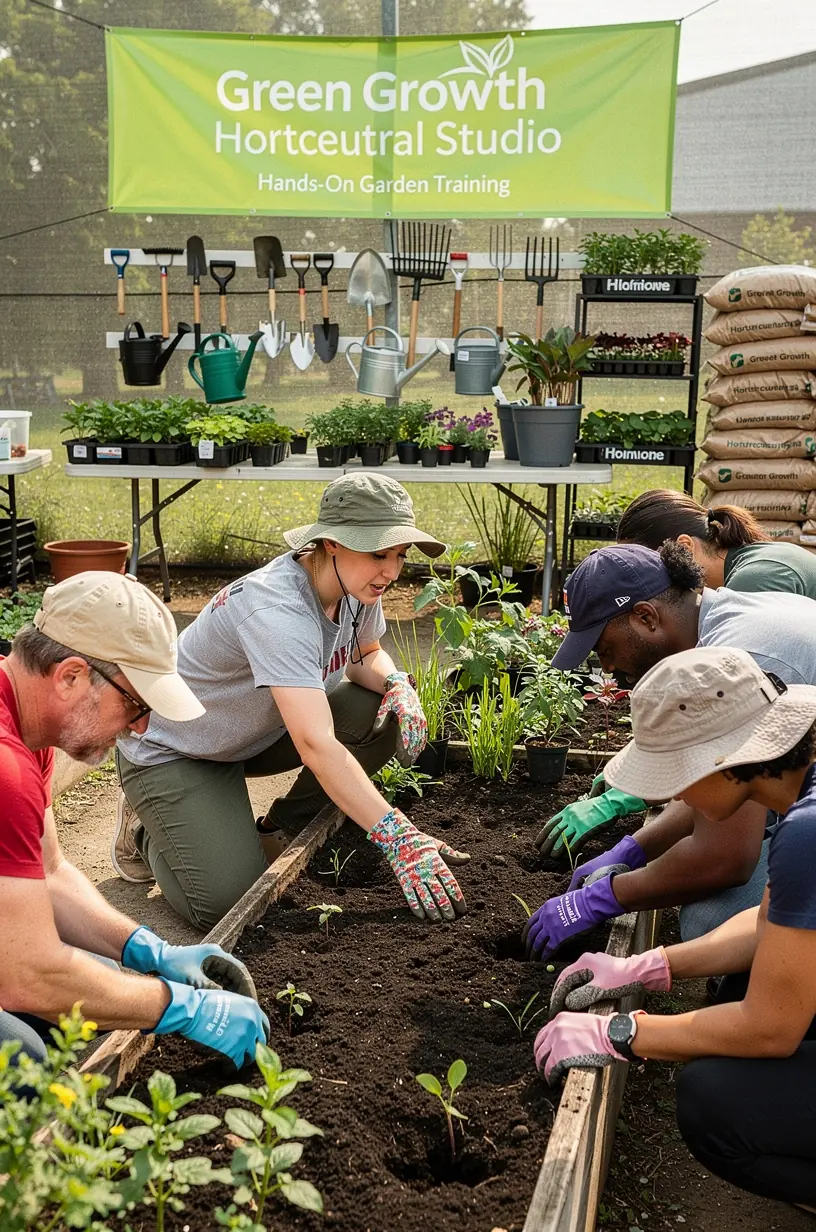
Spring is typically the ideal time for planting a variety of vegetables and flowers. Here are some practical steps to consider:
- Choose the Right Plants: Many gardeners find success with cool-season crops like peas, spinach, and lettuce in early spring. These plants often tolerate cooler temperatures.
- Prepare Your Soil: Soil preparation involves ensuring proper drainage and nutrient content. It typically requires adding organic matter, such as compost, which enriches the soil and promotes better growth.
- Timing Matters: It is advisable to wait until the last frost date in your area before planting tender crops. This reduces the risk of damage to your plants.
Summer Planting: Keeping Up the Momentum
Summer planting can often involve a different strategy as temperatures rise. Here are some effective approaches:
- Succession Planting: This technique involves planting new crops at intervals to ensure continuous harvests. For example, sowing more beans every few weeks can keep a steady supply throughout the summer.
- Water Wisely: As summer brings heat, watering becomes crucial. A deep watering once a week is often more effective than shallow daily watering, allowing roots to grow deeper.
- Consider Shade: Some plants may benefit from partial shade during peak summer heat. Using row covers or shade cloth can help protect young seedlings.
Autumn Planting: Preparing for Winter
Autumn is not just a time to harvest; it can also be a great season for planting certain types of crops, particularly perennials and some vegetables. Consider the following:
- Planting Perennials: Autumn is often the best time to establish perennial plants. They typically establish stronger root systems when planted before winter.
- Cover Crops: Planting cover crops like clover or rye can improve soil health over winter months by preventing erosion and enhancing soil nutrients.
- Mulching: Applying mulch in the autumn can protect plants from frost and keep soil temperatures stable.
Conclusion
Understanding seasonal planting techniques can significantly improve your gardening experience and yield. By following these practical tips and maintaining awareness of your local climate, you can create a thriving garden that flourishes throughout the year. Remember, results often take time, so patience and consistent effort are key components of successful gardening.