How to Design a Small Garden Space Effectively
Designing a small garden space can be a fulfilling yet challenging endeavor. With careful planning and a few practical insights, you can create a garden that is not only beautiful but also functional. This article will explore effective strategies for designing small gardens, supported by expert recommendations and industry best practices.
Understanding the Basics
When designing a small garden, it's essential to consider the available space and how to maximize its potential. According to landscaping experts, one effective approach is to implement vertical gardening techniques. This method involves using structures such as trellises, wall planters, and hanging pots, which can help save ground space while adding visual interest. Studies indicate that vertical gardens can increase planting area by up to 30%, making them particularly suitable for smaller spaces.

"Using vertical elements in garden design not only saves space but also enhances the aesthetic appeal of your garden." - Landscape Design Expert
Key Design Elements
Incorporating various design elements can significantly enhance the overall look and functionality of your small garden. Here are some effective strategies:
- Choose the Right Plants: Opt for dwarf varieties or smaller plants that can thrive in limited space. Research shows that native plants often require less maintenance and can adapt well to local conditions.
- Layering and Depth: Create a sense of depth by layering plants. Placing taller plants at the back and shorter ones at the front can create a visually appealing arrangement that draws the eye in.
- Hardscaping Elements: Incorporating hardscaping features such as paths, patios, and raised beds can help define spaces and make a small garden feel more organized. Experts recommend using materials that complement the surrounding landscape.
Practical Tips for Implementation
Designing a small garden typically involves several steps. Here’s a practical approach to help you get started:
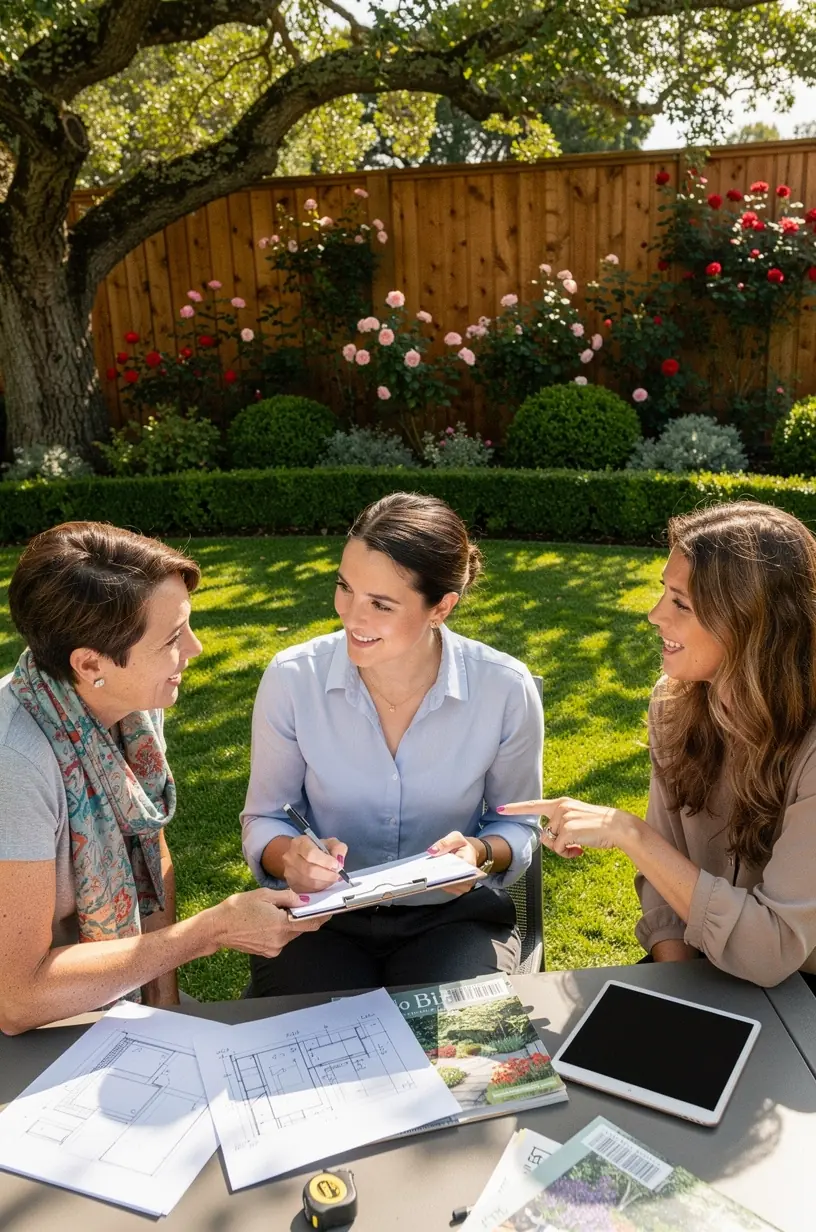
- Assess Your Space: Measure the area you have available and consider sun exposure, drainage, and existing structures. This assessment is crucial as it informs your design choices.
- Create a Plan: Sketch a layout that includes the placement of plants, paths, and any hardscaping features. Many users report that visualizing the space on paper helps clarify design concepts.
- Start Small: Implement your design in phases. This method allows for adjustments as you see how the garden evolves over time, which can often be more manageable.
Maintenance Considerations
Keep in mind that all gardens require maintenance. A small garden may seem easier to manage, but it still requires consistent care. Experts recommend setting aside time each week for tasks such as watering, pruning, and weeding. Establishing a routine can help ensure your garden remains healthy and vibrant.
Conclusion
Designing a small garden space effectively involves understanding your available resources and implementing proven strategies. By utilizing vertical gardening techniques, selecting appropriate plants, and creating a thoughtful layout, you can transform limited space into a thriving garden. Remember, patience and dedication are essential, as results may take time to develop. By following these guidelines, you can create a beautiful small garden that meets your needs and reflects your personal style.
Learn More