Exploring Native Plants for Sustainable Gardening
As the gardening community increasingly embraces sustainability, native plants have emerged as a preferred choice for many gardeners. This article delves into the advantages of using native plants, their role in fostering biodiversity, and how they contribute to a sustainable gardening practice.
Understanding the Importance of Native Plants
Native plants are species that naturally occur in a specific region without human intervention. According to the Royal Horticultural Society, integrating native plants into garden designs can help create ecosystems that support local wildlife, improve soil health, and reduce the need for chemical fertilizers.
Benefits of Using Native Plants
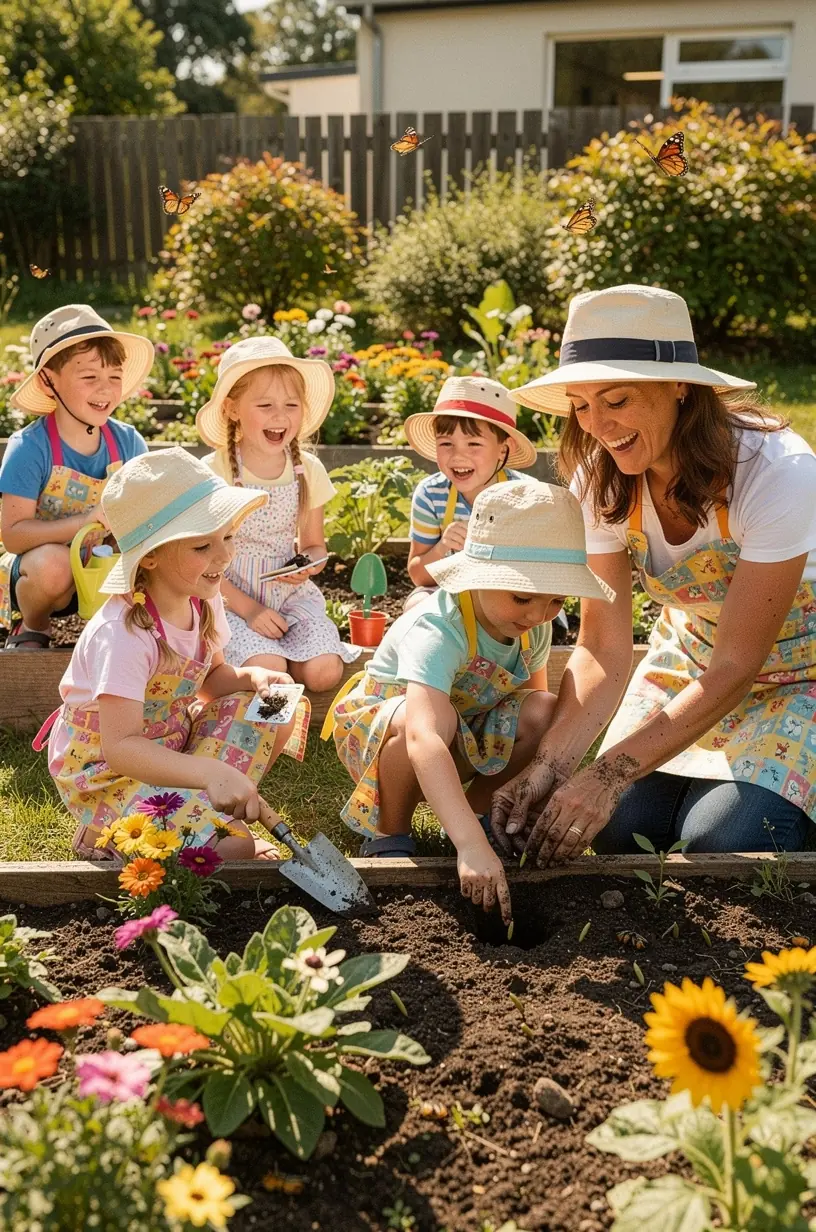
- Biodiversity Support: Native plants provide essential habitats for local wildlife, including pollinators like bees and butterflies. Research indicates that gardens with native flora can attract up to 50% more species compared to non-native gardens.
- Water Conservation: Many native plants are adapted to local climate conditions, requiring less water once established. Studies suggest that incorporating drought-tolerant native species can reduce garden watering needs by up to 30% during dry seasons.
- Reduced Maintenance: Native plants typically require less maintenance than non-native varieties. They are well-suited to local soil types and climate, which means they often need fewer fertilizers and pesticides, making them a more sustainable choice.
"Gardening with native plants not only enhances the beauty of our gardens but also plays a crucial role in preserving local ecosystems." - Gardening Expert
How to Incorporate Native Plants into Your Garden
Integrating native plants into your garden design can be a rewarding process. Here are some steps to consider:
- Research Local Species: Start by researching which native plants are suitable for your area. Resources like local botanical gardens or horticultural societies can provide valuable information.
- Plan Your Garden Layout: Consider the sun and soil conditions in your garden. Many native plants thrive in specific environments, so aligning them with similar needs can enhance their growth.
- Start Small: If you're new to gardening with native plants, begin with a small section of your garden. This allows you to learn about their requirements and adapt your care routines accordingly.
Challenges and Considerations
While native plants offer many benefits, it's essential to acknowledge that they may not be suitable in every situation. Some native species can spread aggressively, which may require monitoring. Additionally, establishing a native plant garden may take longer than traditional gardens, usually requiring a commitment of at least 1-2 growing seasons for plants to establish fully.
Conclusion
Incorporating native plants into your gardening practice can be an effective way to promote sustainability and support local ecosystems. While it may take some time to establish your native garden, the long-term benefits for both you and the environment are significant. By selecting the right plants and understanding their needs, you can create a thriving landscape that contributes positively to your local biodiversity.
Learn More