Techniques for Effective Watering in Small Gardens
Watering is a critical aspect of gardening that can significantly impact the health and productivity of your plants. Understanding effective watering techniques is especially crucial in small gardens, where water resources may be limited and plant competition is heightened. In this article, we’ll explore proven strategies for efficient watering that can help your small garden thrive.
Understanding Garden Watering Needs
Effective watering starts with understanding the specific needs of your plants. Research indicates that different plants have varying moisture requirements, and over or under-watering can lead to stress and poor growth. According to industry experts, typically, plants prefer deep watering sessions over frequent shallow watering. This is because deep watering encourages roots to grow deeper into the soil, enhancing drought resistance.
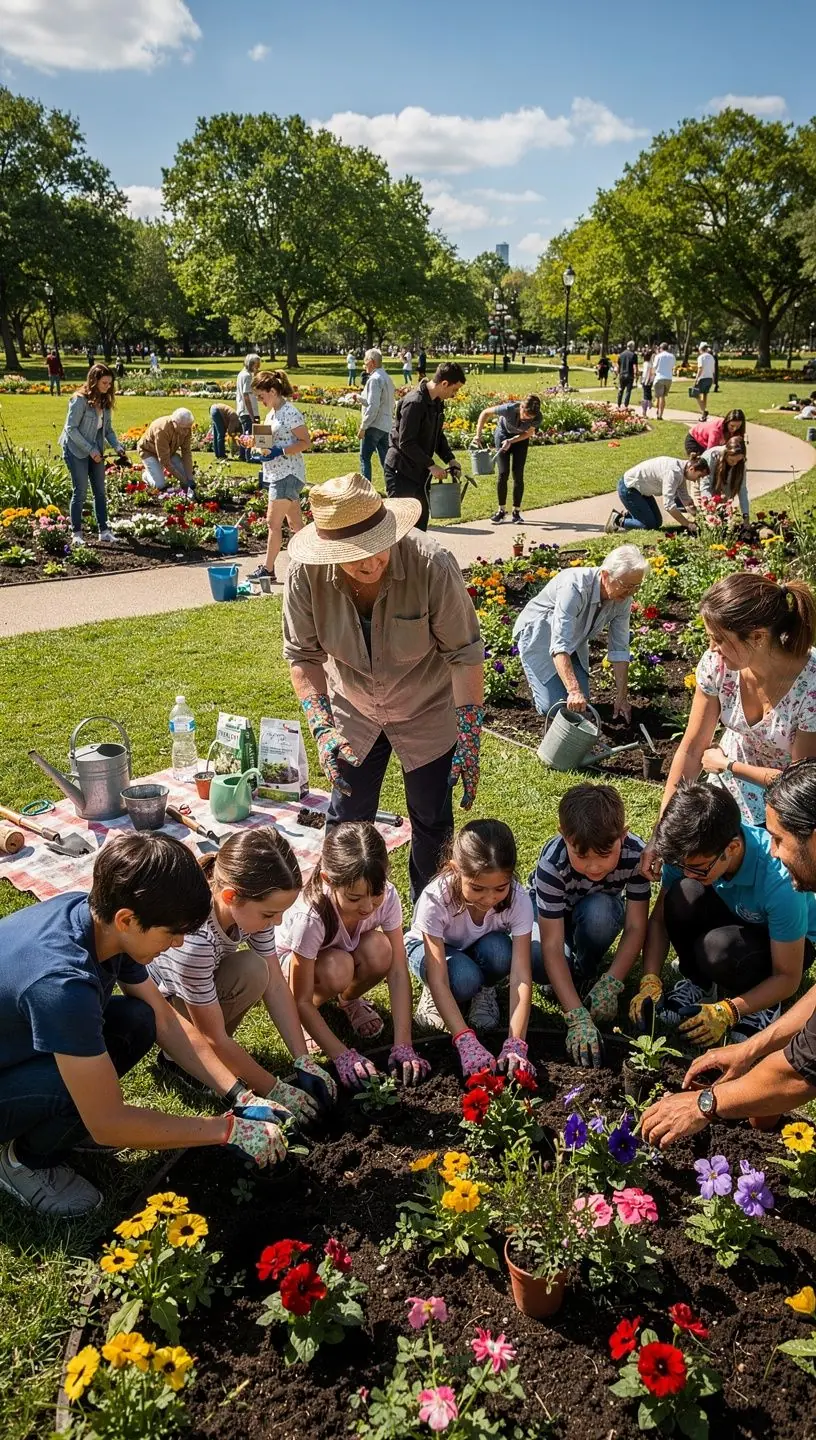
"Studies show that deep watering can promote healthier root systems, leading to stronger plants."
Practical Watering Techniques
Here are some effective techniques to consider for your small garden:
- Drip Irrigation: This system delivers water directly to the roots of the plants, minimizing evaporation and runoff. It can be a reliable method, especially in compact spaces.
- Watering in the Morning: Experts recommend watering early in the day when temperatures are cooler. This practice reduces evaporation and allows plants to absorb moisture before the heat of the day.
- Collecting Rainwater: Utilizing rain barrels to collect runoff from your roof can provide a sustainable water source. This method helps conserve water and reduces your overall gardening costs.
Monitoring Soil Moisture
Understanding your soil’s moisture levels is essential for effective watering. Many gardeners find it beneficial to use a soil moisture meter, which provides insight into when to water. Research indicates that soil moisture meters can help prevent overwatering, which is a common mistake among new gardeners. Typically, you want to water when the top inch of soil feels dry to the touch.
Acknowledging Limitations
While these techniques can be effective, it’s important to acknowledge the limitations and effort involved. Drip irrigation systems may require initial setup time and a slight learning curve. Additionally, rainwater collection systems will need maintenance to ensure they are free from debris and pests. In most cases, effective watering requires ongoing observation and adjustment based on weather conditions and plant needs.
Conclusion
Effective watering techniques are vital for the success of small gardens. By understanding the water needs of your plants and implementing methods such as deep watering and soil moisture monitoring, you can create a thriving garden. While there will be a learning curve, the rewards of a healthy, productive garden make the effort worthwhile. Start by incorporating one or two of these techniques to enhance your gardening experience and achieve better results.